
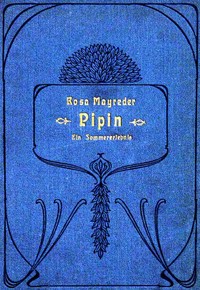
Pipin: Ein Sommererlebnis by Rosa Mayreder
Let's set the scene: It's the turn of the 20th century at a peaceful Austrian country estate. Life is comfortable, predictable. Then, Pipin shows up. He's a young man with no clear past and no plans for the future. He doesn't do much—he observes, he listens, he exists. The family, out of a mix of curiosity and kindness, lets him stay for the summer. What unfolds is a quiet revolution. Pipin, through his very simplicity and different way of seeing, begins to subtly challenge the family's routines, their unspoken rules, and their understanding of happiness and purpose.
The Story
The plot is deceptively simple. We follow the summer months through the eyes of the family, particularly the women of the household. There are no grand events—just conversations, shared silences, and small moments in the garden or by the lake. Pipin becomes a mirror, reflecting back to each person their own doubts, desires, and the quiet constraints of their social roles. The 'conflict' is internal: the tension between a settled, conventional life and the unsettling, beautiful possibility of living more authentically, as Pipin seems to do without even trying.
Why You Should Read It
Rosa Mayreder was a fascinating thinker—a writer and early feminist in Vienna. You can feel her ideas breathing through this story. It's not a loud manifesto; it's a gentle question. What if we valued being over doing? What if a man's worth wasn't measured by his job or ambition? Pipin is a wonderful, puzzling character because he embodies these questions. Reading this book feels like taking a deep, slow breath. It makes you look at the people in your own life differently. Maybe the quiet ones, the ones who don't quite fit, have something profound to show us.
Final Verdict
This book is perfect for readers who love character studies and atmospheric historical fiction. If you enjoy the nuanced social observations of Jane Austen or the thoughtful, psychological depth of someone like Irene Nemirovsky, you'll find a friend in Mayreder. It's also a great pick if you're interested in early feminist literature but want a story, not a lecture. Fair warning: don't go in expecting a fast-paced plot. Go in expecting to be quietly unsettled and charmed, like the family on the estate. It's a summer read for the soul, from over a century ago, that still has plenty to say.
This digital edition is based on a public domain text. It is now common property for all to enjoy.
Logan Moore
1 year agoTo be perfectly clear, it manages to explain difficult concepts in plain English. One of the best books I've read this year.










Anthony Martinez
1 year agoHaving read this twice, it provides a comprehensive overview perfect for everyone. I would gladly recommend this title.